News Details
At #AGS2026, girls are stepping into their place, and boys are choosing where they stand
In Yamoussoukro, the big words come easily. Equality, rights, future. But what gives the 2026 Adolescent Girls Summit its real strength is not the language of speeches. It is what happens when young people speak up and bring these issues back to where they begin: real life.
For some, that reality begins with remarks that may seem harmless to those who make them, but which gradually take root. Fatimate, 14, immediately points to “harassment about my appearance and about the kind of job I want to do”. Christine says much the same: she too speaks of hurtful comments about her appearance, of words that belittle and slowly chip away at confidence. These are not grand theoretical accounts of inequality. They are ordinary, repeated experiences, and precisely for that reason, deeply revealing.
Others describe not so much a specific injury as an overall climate. Saty Lukas, 25, knows well the weight of comparisons, the kind that reduce a person to their level of education. Mariama Jeannette, for her part, puts words to a more diffuse but widely shared exhaustion: “My place in society felt like a constant struggle just to be recognised.” In a single sentence, she captures what many girls still experience: the need to constantly prove, negotiate and justify themselves, while others move forward more naturally.
Through these voices, a common thread emerges. A just society for girls is not an abstract principle. It looks like something very concrete: schooling for all, respect, safety, the freedom to choose one’s life, equal opportunities at work, access to healthcare, and the ability to speak freely without being judged. In other words, everything that would finally allow being a girl to be not an obstacle, but simply an identity.
This is where these testimonies connect very directly with the priorities advanced by UNESCO through the WCA Commitment: ensuring that adolescent girls and young people in West and Central Africa are educated, healthy and thriving, not through rhetoric, but through concrete spaces for participation, access to information, protection and dialogue. According to UNICEF, seven [NA1] of the ten countries with the highest child marriage rates in the world are in West and Central Africa. One in two girls of secondary-school age in the region is out of school. Maternal mortality remains among the five leading causes of death for girls aged 15 to 19. Most of the girls participating in the AGS live in communities where these figures are not statistics. They are their lives.
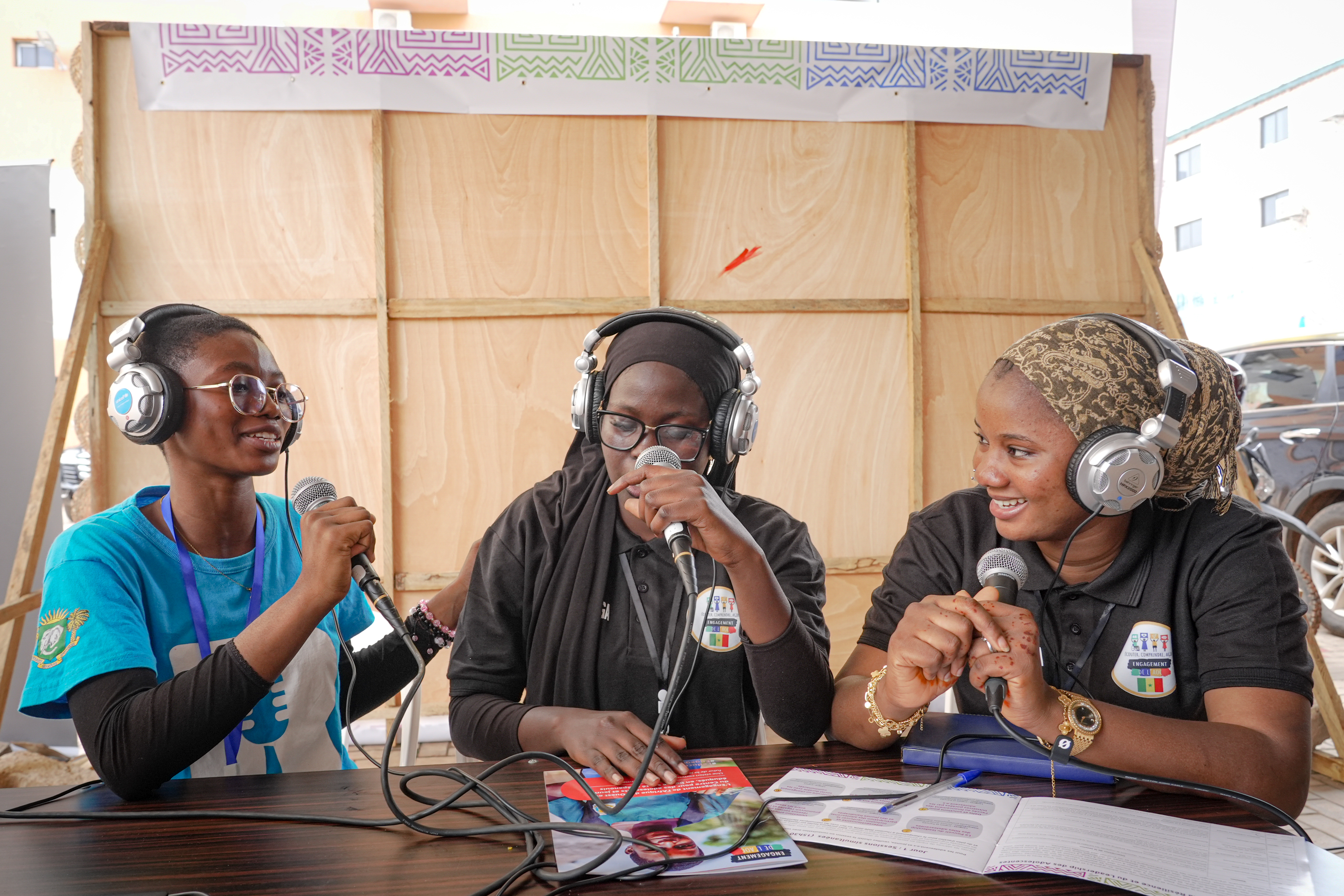
The Summit also served as a reminder that these issues cannot be addressed in isolation. Behind the discussions on equality were also, very clearly, questions of health education, early and unintended pregnancy, gender-based violence, and child marriage.
Dorothy, from Ghana, puts it plainly. For her, the exchanges helped deepen the understanding that health education is not only about reproductive health, but also about rights, consent and the ability to make informed choices. They also highlighted the chain effect of early pregnancy on girls’ education and future prospects, as well as the enduring weight of child marriage. Zeneta draws a similarly clear conclusion: “health education does not encourage risk-taking; rather, it promotes safe and informed choices.” It is a simple but decisive point, at a time when so many misunderstandings continue to fuel resistance around these issues.
Barikisu extends this reflection by recalling another truth that is often overlooked: when young people are denied reliable information, they are exposed to greater risks. For her, access to honest and inclusive education is not permission. It is a form of protection. It is also a condition for girls to be able to defend their rights, their health and their future, without constantly being pushed back into silence or shame. Rahilatou, from Niger, gave that reality an even more emotional resonance, saying that sexual and reproductive health education and services remain taboo in her country, and voicing a clear hope that this can finally begin to change.
But another issue the Summit also brought to the fore, and one that the girls themselves insisted on, is the place of boys. “Equality cannot be built with girls alone,” says Reine Céline, 17, a co-organiser from Guinea. And the boys present in Yamoussoukro heard that message.
Younousse puts it clearly: in his community, girls and boys are not brought up in the same way, and that is where it all begins. Traditions, stereotypes, favouritism towards men: for him, inequality does not fall from the sky, it is learned, repeated and passed on. His response is equally concrete: speak to his male peers, raise awareness, promote positive masculinity, and act where norms are most easily reproduced.
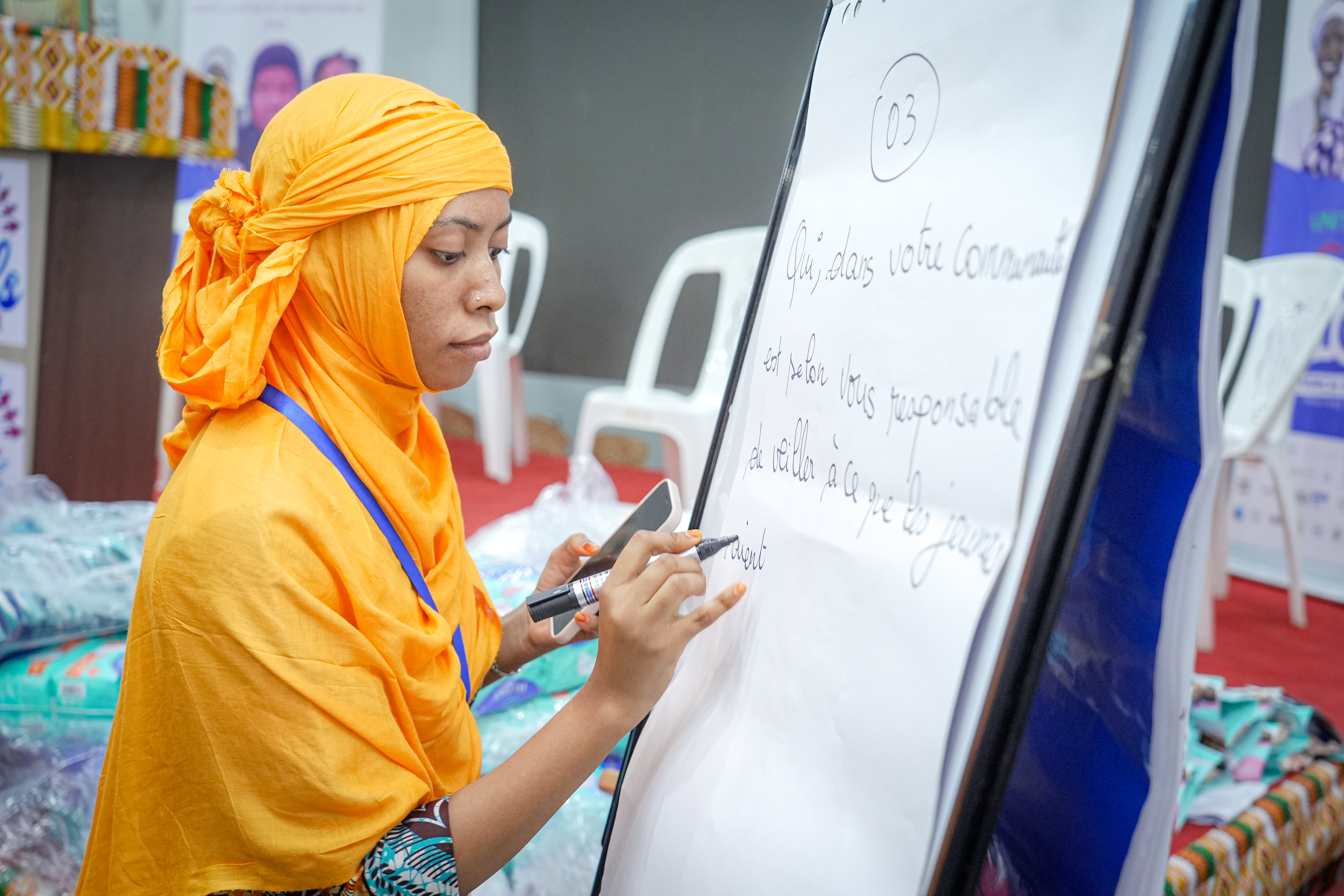
Lamine, from Senegal, identifies another often overlooked lever: the sharing of domestic tasks. “In many families, girls spend several hours a day on household chores after school, while boys have more time to study or rest.” For him, that is where inequality also takes shape, in these quietly confiscated hours. Not only in laws or in speeches, but in the concrete organisation of everyday life. Do your share without being asked. Give the floor back to a girl who has been interrupted. Challenge a stereotype instead of letting it pass. Specific actions, not posturing.
This idea also returns in another form in Barikisu’s words, as she reminds us that leadership does not begin when one is given a title, but much earlier, in self-awareness, in confidence, in the ability to take small actions that already begin to shift things. But for that, she says, young people must be able to grow in safe and supportive environments, and the structural and cultural barriers that still hold girls back must finally be seen for what they are.
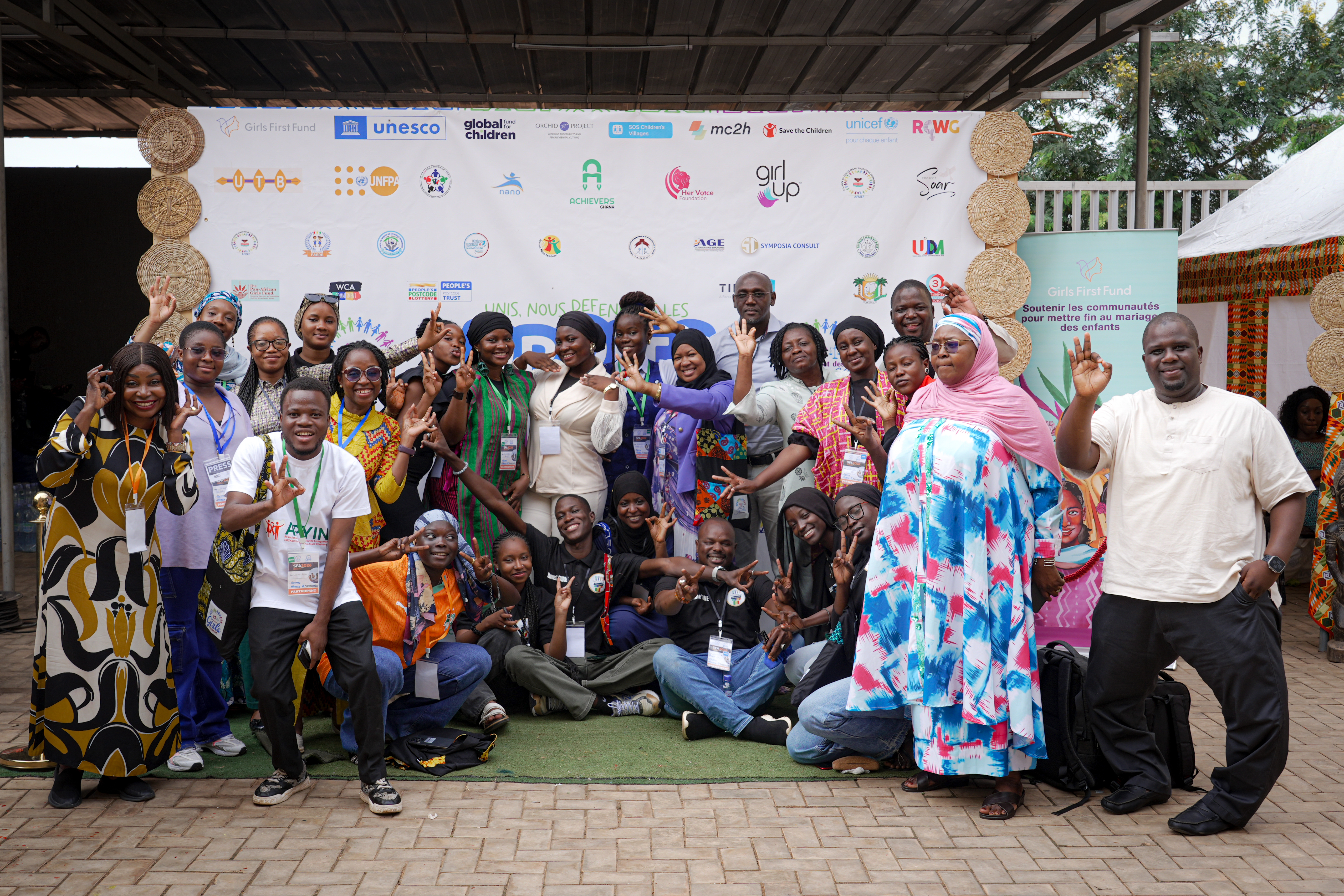
It is this logic, girls and boys in the same room, facing the same issues but also their respective responsibilities, that sets the AGS apart from a simple forum. Organised and led primarily by adolescents aged 10 to 19 from, with the support of the Global Fund for Children and its partners, this year’s Summit brought together 250 participants from 25 countries. Over the course of the event, those exchanges were translated into a 2026–2028 action plan presented to decision-makers on Friday. Co-created by the young participants themselves, the plan sets out a clear vision of societies where girls and boys are listened to, respected and meaningfully involved in decisions that affect their lives, where they can live free from violence and harmful practices, and where they have equal access to education, health services, economic opportunities, age-appropriate sexual and reproductive health information, and safe, youth-friendly support systems. It also reflects the commitments made by young people themselves: to raise awareness through peer-led advocacy, challenge harmful norms, promote healthier masculinities, create safe spaces, use creative and digital platforms to amplify their voices, and hold institutions accountable. Just as importantly, it sends a clear message to governments, the United Nations, civil society, donors, the private sector, and community and traditional leaders: if youth-led change is to be sustained, it must be matched by concrete support, from funding and mentorship to safer and more inclusive spaces for participation.
What #AGS2026 ultimately shows is something quite simple: when adolescent girls are genuinely given space, not a symbolic presence, not a closing panel, they do not simply occupy that space. They transform it. And when boys choose to be allies rather than observers, something more impactful becomes possible.